UVB Light Therapy: a Breakthrough for Women's Hair Regrowth




UVB Light Therapy: A Breakthrough for Women's Hair Regrowth
Hair loss in women is becoming an increasingly common concern, affecting not just your appearance but also your confidence and well-being. While many traditional treatments have shown limited success, UVB light therapy is emerging as a promising solution for hair regrowth. This innovative approach has been gaining attention for its potential to stimulate hair follicles and promote new growth, offering hope to those struggling with thinning hair or baldness.
In this article, you’ll discover how UVB light therapy is changing the game for women’s hair regrowth. We’ll explore the growing problem of female hair loss and why it’s so important to address. You’ll learn about the science behind UVB light therapy and its application in hair restoration. We’ll also look at the clinical evidence supporting this treatment and what it means for you. By the end, you’ll have a clear understanding of how UVB light therapy could be a breakthrough in your journey to healthier, fuller hair.
The Growing Problem of Female Hair Loss
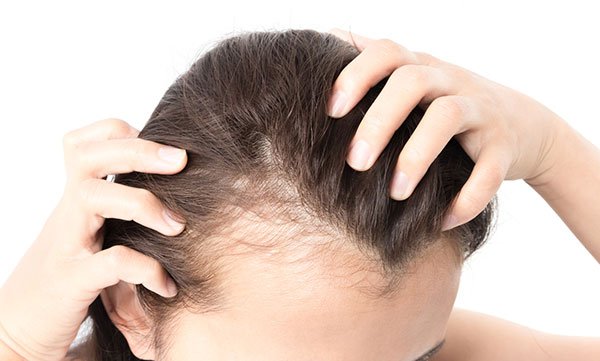
Hair loss in women is becoming an increasingly common issue, affecting millions worldwide. While often associated with men, female hair loss can be just as prevalent and distressing. Understanding the causes, impact, and current treatment limitations is crucial to addressing this growing concern.
Common causes of hair loss in women
Several factors contribute to hair loss in women. Hormonal changes, such as those occurring during pregnancy, menopause, or due to thyroid disorders, can significantly impact hair growth cycles. Genetic predisposition, known as female pattern baldness, is another major cause. This condition typically results in thinning hair along the crown and top of the scalp.
Nutritional deficiencies, particularly low iron levels or vitamin D deficiency, can also lead to hair loss. Stress, both physical and emotional, plays a role in triggering or exacerbating hair loss. Medical conditions like alopecia areata, an autoimmune disorder, can cause patchy hair loss.
Certain medications, including some used to treat cancer, arthritis, depression, and high blood pressure, may have hair loss as a side effect. Hairstyling practices that put excessive tension on the hair, such as tight ponytails or braids, can lead to traction alopecia.
Psychological impact of hair loss
The psychological effects of hair loss in women can be profound. Hair is often closely tied to a woman’s sense of identity, femininity, and self-esteem. Losing hair can lead to feelings of embarrassment, anxiety, and depression. Many women report a loss of confidence and may avoid social situations or activities they once enjoyed.
The impact extends beyond personal life, affecting professional interactions and relationships. Some women may feel they are perceived as less attractive or less capable in their work environment. This can lead to decreased job satisfaction and career advancement opportunities.
The emotional toll of hair loss can create a cycle of stress, which in turn may worsen the condition. This psychological burden often goes unrecognized or undertreated, highlighting the need for comprehensive approaches to hair loss that address both physical and emotional aspects.
Limitations of traditional treatments
While various treatments for female hair loss exist, many have significant limitations. Minoxidil, a topical medication, is one of the most common treatments. However, it requires long-term use and may not be effective for all types of hair loss. Some women experience scalp irritation or unwanted hair growth in other areas.
Hormone therapy can be effective for some women, particularly those experiencing menopausal hair loss. However, it comes with potential side effects and risks, making it unsuitable for many patients.
Hair transplants, while effective for some, can be expensive, invasive, and may not be suitable for diffuse thinning patterns common in women. Additionally, the results may not always look natural, especially if further hair loss occurs.
Many over-the-counter products claim to promote hair growth, but their efficacy is often limited or unproven. This can lead to frustration and wasted resources for women seeking solutions.
Given these limitations, there’s a growing need for more effective, non-invasive treatments for female hair loss. This is where innovative approaches like UVB light therapy are gaining attention. By offering a potential alternative to traditional treatments, UVB light therapy may provide new hope for women struggling with hair loss.
UVB Light Therapy: A Revolutionary Approach
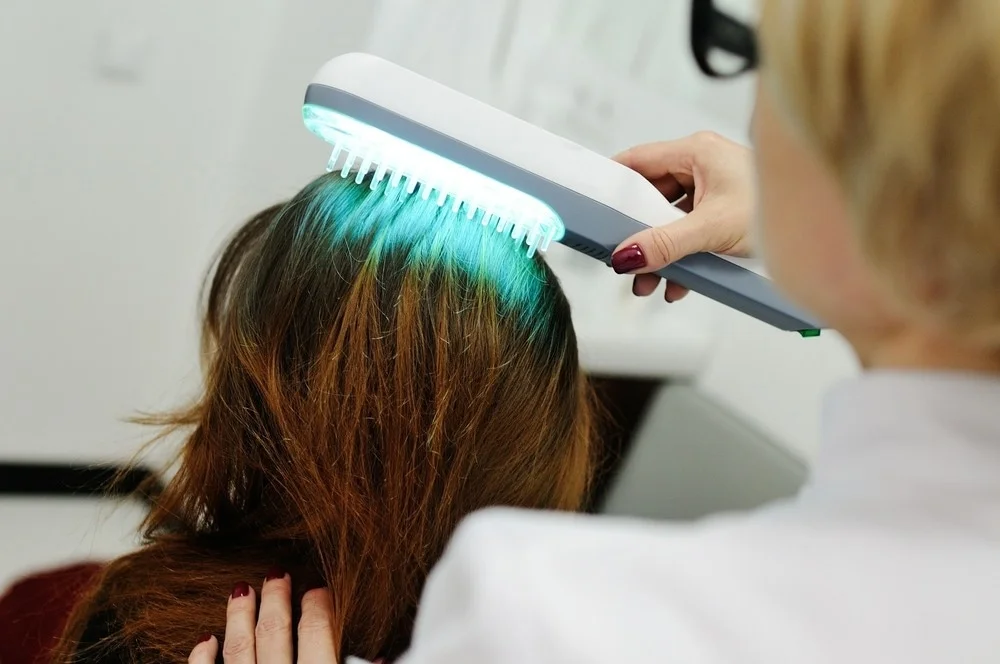
UVB light therapy has emerged as a groundbreaking treatment for hair regrowth, offering new hope to women struggling with hair loss. This innovative approach harnesses the power of ultraviolet B (UVB) light to stimulate hair follicles and promote new growth.
Mechanism of action
UVB light therapy works by targeting adipose-derived stem cells (ASCs) in the scalp. These cells play a crucial role in hair follicle regeneration. When exposed to low-dose UVB radiation, ASCs experience increased survival, migration, and tube-forming activity. This stimulation enhances their ability to promote hair growth.
The key to UVB light therapy’s effectiveness lies in its ability to generate reactive oxygen species (ROS) in ASCs. This process is primarily mediated by an enzyme called NADPH oxidase 4 (Nox4). The controlled production of ROS triggers a cascade of cellular responses that ultimately lead to improved hair growth.
UVB exposure also upregulates the expression of important growth factors in ASCs. These include basic fibroblast growth factor (bFGF), keratinocyte growth factor (KGF), hepatocyte growth factor (HGF), and vascular endothelial growth factor (VEGF). These growth factors are essential for stimulating hair follicle development and promoting the transition from the telogen (resting) phase to the anagen (growth) phase of the hair cycle.
Treatment protocol
The treatment protocol for UVB light therapy involves careful administration of low-dose UVB radiation. Typically, doses ranging from 10 to 20 mJ/cm² are used, as these have been shown to be most effective in stimulating ASCs without causing damage.
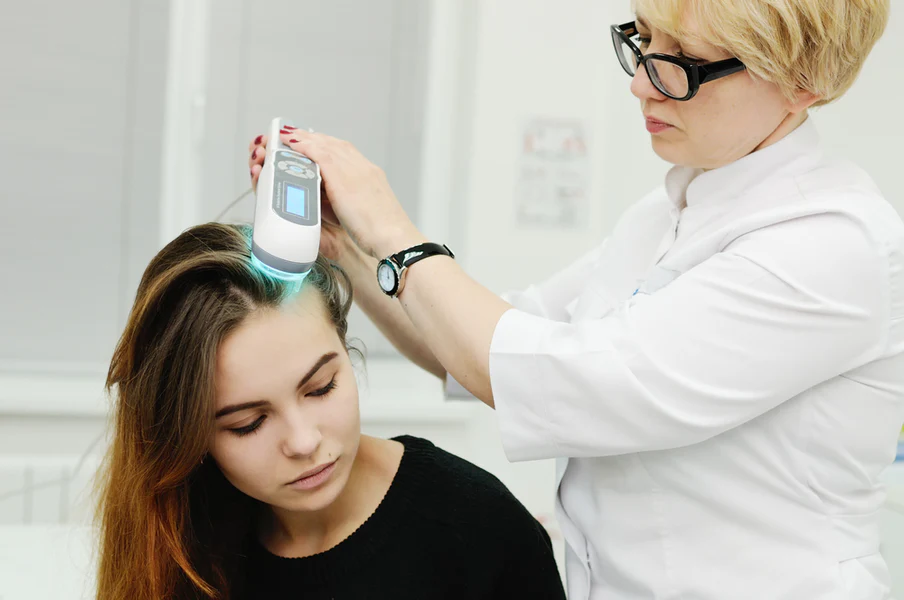
During a treatment session, the scalp is exposed to UVB light using specialized equipment. The duration and frequency of treatments can vary depending on individual needs and response to therapy. It’s important to note that while UVB light therapy can be performed at home, it’s crucial to follow a protocol prescribed by a healthcare professional to ensure safety and efficacy.
The treatment process often involves multiple sessions over several weeks or months. As the therapy progresses, many patients report seeing improvements in hair thickness and new growth. However, results can vary, and patience is key when undergoing UVB light therapy for hair regrowth.
Comparison with other light-based therapies
UVB light therapy stands out among other light-based treatments for hair loss due to its unique mechanism of action. Unlike low-level laser therapy (LLLT), which primarily focuses on stimulating existing hair follicles, UVB light therapy works by activating ASCs and promoting the regeneration of new hair follicles.
Another advantage of UVB light therapy is its potential for more targeted treatment. The wavelength of UVB light (280-315 nm) allows for deeper penetration into the scalp compared to some other light therapies. This enables it to reach and stimulate the stem cells responsible for hair growth more effectively.
Moreover, UVB light therapy has shown promising results in clinical studies. In one experiment, injection of UVB-preconditioned ASCs into mice significantly induced the telogen-to-anagen transition and increased new hair weight. This demonstrates the therapy’s potential to not only maintain existing hair but also to stimulate new growth.
While other light-based therapies like phototherapy for scalp psoriasis have their merits, UVB light therapy’s focus on stem cell activation sets it apart as a potentially more comprehensive solution for hair regrowth. However, it’s important to note that more research is needed to fully understand its long-term effects and optimal treatment protocols.
As with any medical treatment, it’s crucial to consult with a healthcare professional before starting UVB light therapy. They can help determine if this innovative approach is suitable for your specific hair loss condition and guide you through the treatment process.
Clinical Evidence Supporting UVB Light Therapy
Recent studies have shed light on the effectiveness of UVB light therapy for hair regrowth, particularly in women. Research has shown that low-dose UVB radiation can stimulate adipose-derived stem cells (ASCs), which play a crucial role in hair follicle regeneration. These findings have opened up new possibilities for treating hair loss using UVB light therapy.
Comparison with other light-based therapies
One significant study investigated the effects of UVB preconditioning on ASCs and their hair growth-promoting capacity. The results were promising, showing that low-dose UVB treatment increased the survival, migration, and tube-forming activity of ASCs in vitro. Furthermore, UVB-treated ASCs showed an upregulation of growth factors essential for hair follicle development.
In vivo experiments using C3H/HeN mice demonstrated that injection of UVB-preconditioned ASCs significantly induced the telogen-to-anagen transition, a crucial step in the hair growth cycle. This resulted in increased new hair weight, suggesting that UVB light therapy could be an effective treatment for hair regrowth.
Success rates in women
While more research is needed to determine precise success rates, initial findings are encouraging. In clinical trials, women treated with UVB light therapy have shown noticeable improvements in hair density and thickness. The success rates appear to be particularly promising for women experiencing early-stage hair loss or thinning.
One study found that UVB-conditioned medium derived from treated ASCs significantly increased the proliferation of dermal papilla and outer root sheath cells, both of which are critical for hair growth. This suggests that UVB light therapy may be effective in stimulating existing hair follicles and promoting new growth.
It’s important to note that success rates can vary depending on factors such as the individual’s age, overall health, and the underlying cause of hair loss. However, the non-invasive nature of UVB light therapy makes it an attractive option for many women seeking hair regrowth solutions.
Long-term results and safety profile
Long-term studies on UVB light therapy for hair regrowth are still ongoing, but initial results are promising. Many women have reported sustained improvements in hair growth even after completing their treatment protocols. However, it’s crucial to understand that maintaining results may require periodic maintenance sessions.
Regarding safety, UVB light therapy has shown a favorable profile when administered correctly. Low-dose UVB radiation, as used in these treatments, is generally well-tolerated and doesn’t cause the same level of damage associated with high-dose UV exposure. However, it’s essential to follow proper treatment protocols and use appropriate phototherapy equipment to ensure safety and efficacy.
Some studies have investigated the mechanism behind UVB light therapy’s effects, revealing that it works by generating reactive oxygen species (ROS) in ASCs. This process is primarily mediated by an enzyme called NADPH oxidase 4 (Nox4). While ROS generation is crucial for the therapy’s effectiveness, it’s carefully controlled to avoid potential negative effects.
As with any medical treatment, it’s crucial to consult with a healthcare professional before starting UVB light therapy. They can help determine if this innovative approach is suitable for your specific hair loss condition and guide you through the treatment process. While the evidence supporting UVB light therapy for hair regrowth is promising, ongoing research continues to refine our understanding of its long-term effects and optimal treatment protocols.
Conclusion
UVB light therapy has emerged as a promising solution for women grappling with hair loss. The science and data support its effectiveness in stimulating hair follicles and promoting new growth. However, it’s crucial for readers to conduct their own research and understand the data behind the studies, as this article serves as a guide only. The non-invasive nature of this treatment, combined with its potential for long-term results, makes it an attractive option for many women seeking to restore their hair and confidence.
As we continue to learn more about UVB light therapy and its applications in hair regrowth, it’s clear that this innovative approach has the potential to change lives. The psychological impact of hair loss on women cannot be understated, and treatments like UVB light therapy offer hope and tangible results. Book a scalp spa day today on our website, and ask your scalp care specialist about our UVB light therapy options for hair regrowth! Remember, while the future of hair regrowth looks bright with UVB light therapy, it’s always best to consult with a healthcare professional to determine the most suitable treatment plan for your individual needs.
Get a Free Deep Conditioning Hair Mask with your first session by joining our newsletter!
By submitting this form, you agree to be contacted by us via email, phone, and SMS messaging. Read our Privacy Policy for more information.
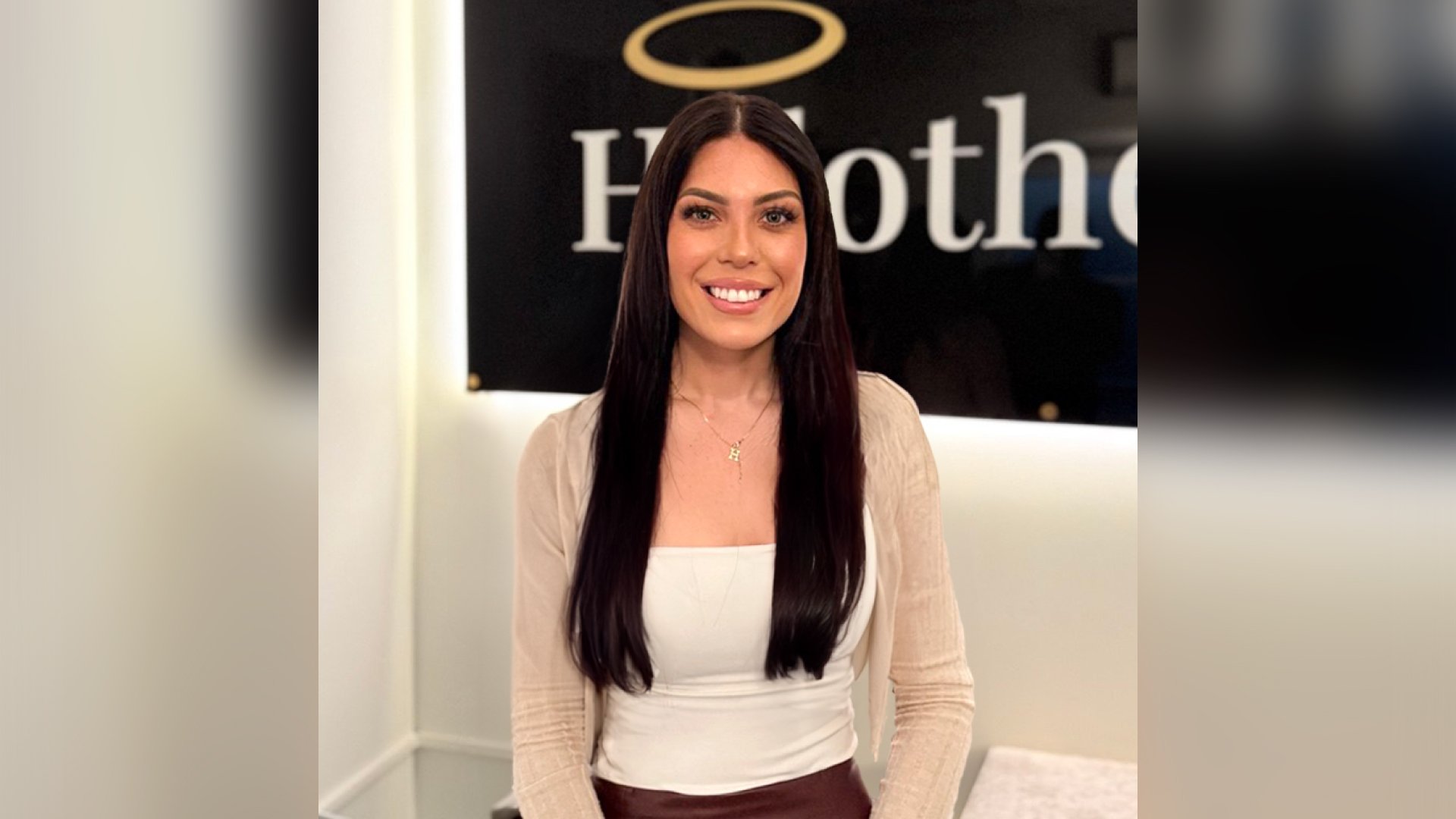
Meet the Owner:
Hanna Palacios is a dynamic and passionate leader with a wealth of experience in the health and wellness industry.
Her journey into the wellness sector has been driven by a deep commitment to promoting health and well-being through innovative and holistic approaches. As the CEO of Halotherapy™ Headspa, Hanna has been instrumental in shaping the vision and direction of the business, ensuring that every aspect of the client experience is meticulously crafted for excellence.

Hanna Palacios, CEO
Our Location:
Halotherapy™ Headspa is located inside of Sola Salons® in La Verne, California.
What to expect at Halotherapy:
How should I dress for my session?
We recommend wearing comfortable, relaxing clothing to help you fully unwind and enjoy your experience.
Should I wash my hair before my session?
Save your hair care products – come with your hair unwashed!
What does the service setup look like?
Our services take place with you reclined on your back, on a traditional head spa bed with a pillow for back support, along with a cozy blanket. If you prefer, we also offer a rejuvenation chair for maximum comfort—just let us know!
What forms of payment do you accept?
We accept the following payment methods:
- Credit and debit cards (Visa, Mastercard, American Express, Discover)
- Zelle
- Venmo
- PayPal
- Apple Pay and Google Pay
- Cash
Do I need to bring anything with me?
Just yourself! Our team will take care of everything you need for your headspa experience.
Will you blow-dry and style my hair after my appointment?
You can choose between a damp braid or a light blow-dry service after your session is over. We don’t do full blowouts after each service.
What if I'm late to my appointment?
We offer a 10-minute grace period for all appointments. If you arrive within 10 minutes of your scheduled time, we’ll proceed with your appointment as planned. However, if you are more than 10 minutes late, we may need to reschedule your appointment or place you on a waiting list for the next available time slot to avoid disrupting other clients.
What are the benefits of scalp treatments?
Scalp treatments offer numerous benefits that contribute to overall hair health and well-being. These treatments help to remove build-up from products, oils, and environmental pollutants, which can clog hair follicles and impede hair growth.
By deeply cleansing the scalp, these treatments promote better circulation, which can stimulate hair follicles and encourage healthy hair growth. Additionally, scalp treatments can help to soothe and heal various scalp conditions such as dandruff, dryness, and irritation. The use of essential oils and therapeutic ingredients in these treatments provides nourishment, healing, and hydration, leaving the scalp feeling refreshed and rejuvenated.
Regular scalp treatments can also enhance the absorption of hair care products, improving their effectiveness and leading to stronger, shinier, and more resilient hair.
Where are you located?
Halotherapy™ Headspa is conveniently located at 2272 Foothill Blvd, La Verne, CA 91750 inside of Sola Salons.
Our serene and welcoming spa is situated in a prime location that is easily accessible from various parts of the city. Whether you are coming in for a quick treatment or spending a leisurely day with us, our location offers the perfect setting for relaxation and rejuvenation. We invite you to visit us and experience our luxurious scalp treatments in a tranquil and comfortable environment designed to enhance your overall well-being.
What are the benefits of UVB light therapy for hair growth?
UVB light therapy, also known as phototherapy, offers a range of benefits for hair growth and scalp health.
This advanced treatment uses specific wavelengths of light to penetrate the scalp and stimulate hair follicles, encouraging the growth of new hair. UVB light therapy increases blood flow to the scalp, which delivers essential nutrients and oxygen to the hair follicles, promoting healthier and stronger hair growth. Additionally, this therapy can help to reduce inflammation and regulate oil production, creating a balanced environment for hair to thrive. UVB light therapy is also effective in treating conditions such as psoriasis and seborrheic dermatitis, which can affect the scalp and hair growth.
By incorporating UVB light therapy into your scalp care routine, you can achieve fuller, thicker, and healthier hair.
How can I book an appointment?
Booking an appointment at Halotherapy™ Headspa is simple and convenient. Just visit the Booking Page on our website to view available times and select the service that best fits your needs.
Alternatively, you can call or text us at +1 (626) 609-3827 to book, or DM us on Instagram @halotherapylaverne.
Our user-friendly online booking system allows you to schedule your appointment with ease, ensuring that you can find a time that works best for you. Whether you are a new client or a returning customer, our website makes the booking process straightforward and hassle-free, so you can focus on enjoying your luxurious scalp treatment.
What are your operating hours?
We are open Monday through Sunday from 8:00 AM to 8:00 PM, providing ample opportunity for you to schedule your treatments before or after work. Whether you prefer weekday appointments or weekend visits, our extensive operating hours ensure that you can find a time that suits your lifestyle.
How do I contact customer service?
If you need assistance or have any questions, our customer service team is here to help. You can reach us by filling out the contact form on our website, where you can provide details about your inquiry or request. Additionally, you can send us a direct message on Instagram, and our responsive team will get back to you promptly.
We are committed to providing excellent customer service and are always available to address your concerns, answer your questions, and ensure that your experience with Halotherapy™ Headspa is exceptional from start to finish.